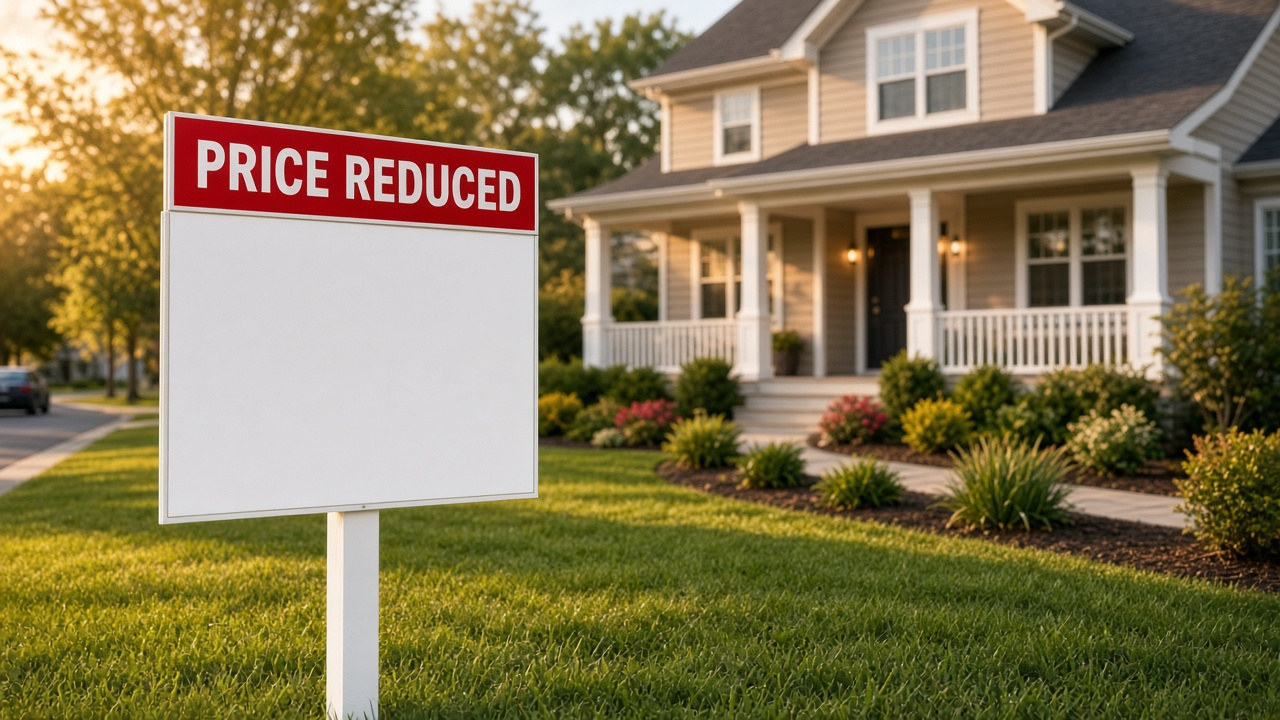
A price reduction is one of the most useful pieces of news you can give a buyer. The home they toured three weeks ago and walked away from because it felt a little high is suddenly within reach. But that news only matters if it reaches them before someone else writes an offer.
Most price-change alerts arrive the same way: an automated portal email, a push notification from a home search app, or a line in a weekly digest. Buyers get dozens of those. They skim them, swipe them away, or never see them at all. The buyer who would have jumped on that house finds out about the new price after it goes pending.
A personal blue-bubble iMessage from your own iPhone works differently. It shows up in the same thread where you sent them showing times and listing links, from the number they already have saved as their agent. LightSend helps you plan and queue those price-reduction check-ins for the buyers who care, then reminds you when each one is due, so you can review it, personalize it, and tap to send it yourself.
Why price-drop news belongs in a text, not an alert
Portal alerts are built for volume. They are useful, but they are not personal, and buyers know it. A text from you says something a robot cannot: “I remembered this house, I remembered you liked it, and I think this changes things.”
- It gets read. Texts are opened far more reliably than marketing email, and a message from a saved contact feels like a conversation instead of a notification.
- It carries context. You know why they passed. Maybe it was the price, maybe the kitchen, maybe the commute. You can speak to that directly.
- It invites a reply. “Want to take a second look Saturday?” is a question people answer. A banner on a lock screen is not.
- It keeps you in the middle. When buyers hear about price changes from you first, they keep coming back to you instead of drifting toward whichever agent answers the portal inquiry.
Who should get a price-reduction text
Not every price change deserves a message to every buyer. The text works because it is relevant. Before you send, ask yourself who actually wants to hear about this specific home:
- Buyers who toured it. These are your best candidates. They already know the house and can decide quickly.
- Buyers who asked about it. Anyone who sent you the listing, asked about HOA fees, or wanted to know about offers.
- Buyers just above the old price. If someone’s comfortable budget was slightly under the original list price, a reduction may put the home back on their list.
- Buyers who wanted that neighborhood. Even if they never saw this particular house, a price change in a tight area is worth a heads-up.
A short, well-targeted list beats a long one. Five buyers who care will do more for you than fifty who feel spammed.
Price-reduction texts you can adapt
Keep the message short, specific, and easy to answer. Mention what changed, tie it to what you know about them, and end with a simple question. Use these as starting points and make them sound like you.
For a buyer who toured the home
“Hi Jordan, the house on Maple you liked just dropped its price. I know that was the sticking point last time. Want me to set up a second look this weekend?”
For a buyer who asked about it
“Hey Priya, quick update on that listing you sent me on Cedar Ridge. The sellers lowered the price this morning. Happy to pull the details or check if there is any offer activity. Interested?”
For a buyer whose budget was just under
“Hi Marcus, remember the townhome by the park that was a little over your range? It just came down and is now right around where you wanted to be. Want to see it before Sunday?”
For a buyer watching the neighborhood
“Hey Lena, a home near the school you mentioned just had a price drop. It is a bit smaller than you wanted, but the yard is great. Want me to send it over?”
For a buyer who went quiet
“Hi Sam, no pressure at all, but one of the homes we saw in the spring just reduced its price. If you are still thinking about moving this year, I would be glad to help you take another look.”
Timing matters more than wording
A price reduction is often the moment a listing starts getting new attention. Buyers who were waiting on the sidelines notice, and so do other agents. That makes speed important, but it does not mean you should fire off a text the second you see the change.
- Same day is the goal. Try to reach your best-fit buyers within hours of the reduction, while you still have a head start.
- Respect the clock. A thoughtful text at 8 a.m. beats a rushed one at 10:30 p.m. Plan the message so it goes out at a reasonable hour.
- Follow up once. If they do not reply within a day or two and the home is still active, a short “still available if you want a look” is fine. After that, let it go.
This is where planning ahead helps. When you already know which buyers are watching which homes, you can queue the right message for the right person as soon as a price changes, instead of trying to remember everyone in the middle of a busy day.
How LightSend helps you run price-reduction check-ins
LightSend is built for professionals who want follow-up to feel personal without letting anyone fall through the cracks. Instead of routing your messages through a third-party texting service, it helps you send from your own iPhone, in your own Messages threads, as real blue-bubble iMessages.
- Organize your buyers. Group contacts by what they are looking for, so you know exactly who to tell when a home they care about changes price.
- Prepare messages in advance. Keep a few price-reduction templates ready and personalize each one with names, streets, and details in seconds.
- Get reminded at the right time. LightSend queues each message and notifies you when it is due. You review it, adjust anything you like, and tap to send it yourself.
- Keep the conversation where it belongs. Replies come straight back to your Messages app, in the same thread as every other conversation with that buyer.
Nothing goes out without you. Every message is one you have seen and chosen to send, which is exactly why it reads like you and not like a broadcast.
A simple price-reduction routine
- Tag interest as it happens. After every showing or listing question, note which homes each buyer liked and why they passed.
- Watch your shortlist. Keep an eye on price changes for the homes your active buyers cared about most.
- Pick the right few. When a price drops, choose the buyers it is truly relevant to.
- Queue a personal text. Start from a template, add the detail that matters to them, and schedule it for a sensible hour.
- Tap to send and follow through. When LightSend reminds you, review the message, send it, and be ready to book a showing.
Done consistently, this turns a routine market event into a reason for a real conversation. Buyers learn that when something changes on a home they care about, you will be the first to tell them.
Be the agent who remembered
Buyers rarely remember which app sent them a price alert. They do remember the agent who texted, “That house you loved just came down. Want another look?” That small, personal message can be the difference between a buyer who writes an offer with you and one who hears about the deal too late.
Ready to send price-reduction check-ins as personal iMessages from your own iPhone? Download LightSend on the App Store and start planning your next round of buyer follow-ups today.